
Buying a Used Boat in 2026: The "Post-Pandemic" Inspection Checklist
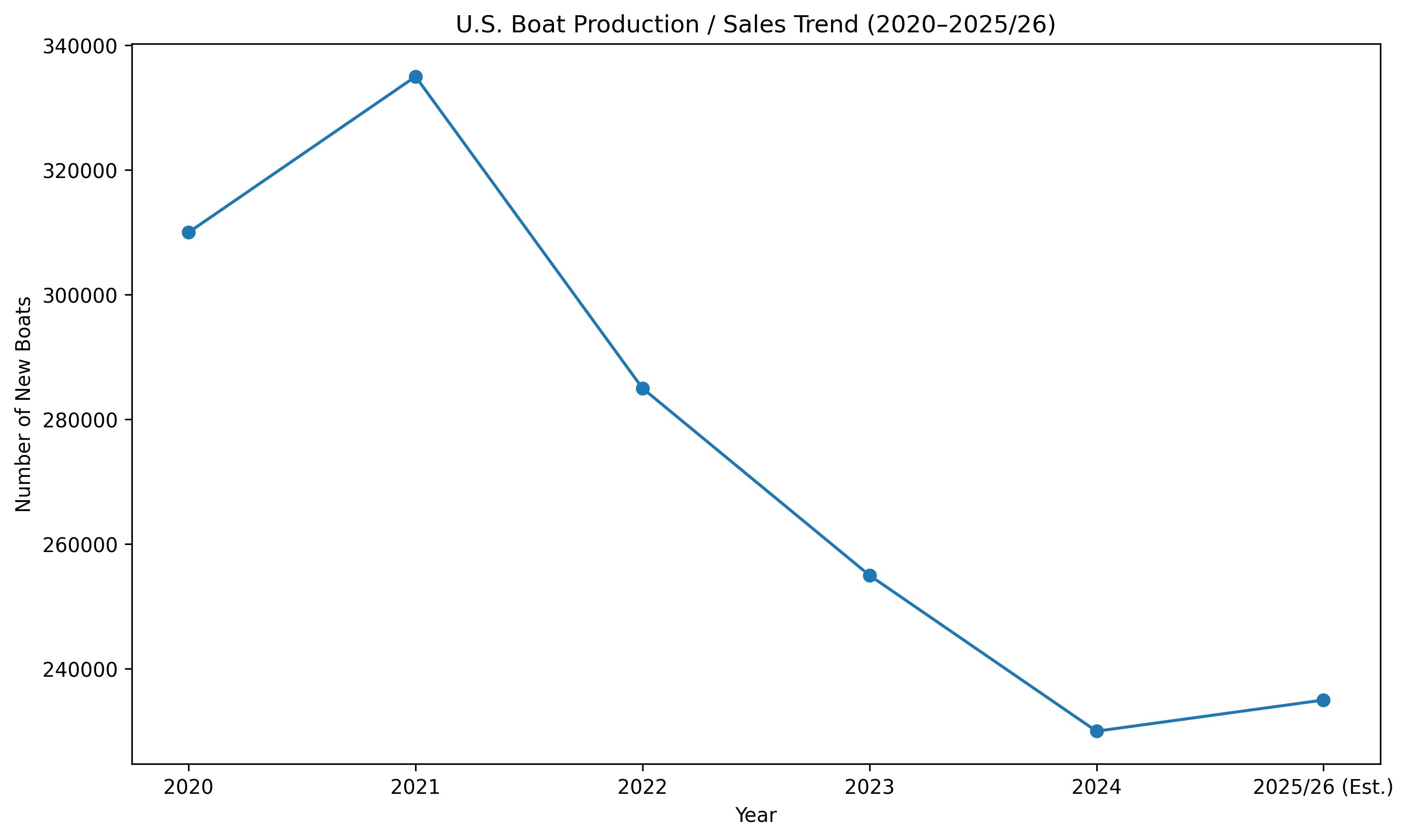
The "Great Boat Boom" of the early 2020s resulted in millions of new boaters entering the water. Fast forward to today: many of those first-time owners are offloading their vessels due to rising slip fees, maintenance fatigue, or high interest rates.
This is great news for buyers, but only if you know how to spot a "COVID-era" lemon.
1. The HIN Deep Dive (Hull Identification Number)
Before you even drive to see the boat, ask for the HIN. In 2026, digital history reports are more accurate than ever. Use a service like BoatHistoryReport or CheckMarine to look for:
- Warranty Claims: Did the original owner have recurring structural issues?
- Recall Status: Many 2021-2022 models had recalls for fuel sensors and steering components that owners may have ignored.
- Salvage Records: Ensure the boat wasn't a victim of the 2024 hurricane season.
2. Inspecting the "Pandemic Build" Quality
During the 2020–2023 production rush, manufacturers faced massive labor and parts shortages. When inspecting a boat from this era, pay close attention to:
- Fit and Finish: Look for gaps in the hull-to-deck joint and misaligned upholstery stitching.
- Substitutions: Check if the electronics match the original spec sheet. Some builders substituted "no-name" components when major brands like Garmin or Simrad were backordered.
- Thru-Hull Fittings: Ensure they are bronze or high-quality stainless steel; some rushed builds used plastic fittings that are now reaching their brittle point.
3. The "Low Hour" Trap
In 2026, you'll see many listings boasting "only 40 hours!" on a 4-year-old boat. While this sounds great, disuse is often worse than use.
- Fuel System: Gas that has sat in a tank since 2023 without stabilizer has likely turned to varnish. Ask for a fuel sample.
- Impellers & Seals: Rubber parts dry out and crack when they don't move. Budget for a "re-commissioning" service even if the hours are low.
- Battery Health: If the boat wasn't kept on a trickle charger, those expensive AGM or Lithium batteries are likely shot.
4. The 2026 Tech Audit
Marine electronics age faster than the boats themselves.
- Network Compatibility: Ensure the MFD (Multi-Function Display) can handle the latest 2026 software updates.
- NMEA 2000 Check: Verify that engine data is actually reaching the screens.
- Starlink Integration: Many modern owners have added Starlink mounts. Check that these were installed professionally and didn't compromise the T-top or hardtop's structural integrity.
5. The "Soggy Floor" Test (Pontoons & Fishing Boats)
For pontoon owners, the 2020s saw a shift toward composite decking, but many still used marine-grade plywood.
- The Soft Spot Walk: Walk every inch of the deck. If you feel any "give," you’re looking at a $5,000+ floor replacement.
- Log Inspection: Check for "Z-channel" corrosion where the deck meets the pontoons. This is common in boats that were stored in the water without proper sacrificial anodes.
Pro Tip: The "Sea Trial" is Non-Negotiable
Never buy a boat in 2026 based on a "hose start" in a driveway. You need to see how the engine performs under load. Check for:
- Time to Plane: Does it struggle? (Could be a propping issue or engine wear).
- Wide Open Throttle (WOT): Does it reach the manufacturer's recommended RPM?
- Transom Flex: Have someone watch the outboard while you accelerate. Any movement in the transom is a deal-breaker.