
Boating Smarter and the Safety Equipment Every Vessel Should Have
You can't just grab the keys and head out on the water. Before you leave the dock, your boat needs proper safety gear onboard. The Coast Guard has specific requirements based on your vessel size, and beyond those mandated items, there are extras worth carrying that could save your life or someone else's. Getting this right from the start means less worry and more time enjoying Indiana's lakes.
- Life jackets must be onboard for every person, and kids 12 and under need to wear theirs whenever the boat is moving.
- Fire extinguishers, throwable flotation devices, and visual distress signals are Coast Guard requirements that vary by boat size.
- Additional items like first aid kits, VHF radios, and anchors aren't always required, but can turn a bad situation into a manageable one.
Life Jackets Come First
Every person on your boat needs an accessible, wearable life jacket. Type I, II, or III personal flotation devices work, and they need to be the right size for each person. Kids 12 and under must wear their PFDs anytime the boat is moving. If you're towing a skier or someone who's wakesurfing behind you, they need a life jacket too.
The smartest move is having everyone put on their life jackets before leaving the dock. Waiting until an emergency happens to dig them out wastes time when seconds matter. Your pet should have one as well, even though it's not required.
Throwable Flotation Devices Save Lives
Beyond the life jackets people wear, you need at least one throwable flotation device. Ring buoys and cushions qualify as Type IV devices. When someone goes overboard unexpectedly, you can toss this to them quickly. Having several onboard makes more sense than carrying just the minimum.
Some throwable devices come with attached lines so you can pull a person closer to the boat. That feature helps when dealing with cold water, injuries, or exhaustion.
Fire Extinguishers Are Non-Negotiable
Vessels under 26 feet must carry at least one approved fire extinguisher. Boats between 26 and 40 feet require either two smaller units or one larger-capacity extinguisher. Older boats may still have B-1 or B-2 labeled extinguishers, which are allowed if they were installed before 2018. New extinguishers sold today are labeled 5-B or 20-B instead.
Make sure everyone on board knows how to use them, pull the pin, squeeze the handle, and aim at the base of the flames. Check the pressure gauge and the manufacturer's date regularly. Disposable extinguishers must be removed from service 12 years after the manufacture date, even if the gauge is still in the green. An expired or discharged extinguisher won’t help when you need it most.
Visual Distress Signals (VDS) – Inland vs. Great Lakes
Requirements vary based on where you are boating. Inland Lakes (Monroe, Geist, Morse): Indiana does not require visual distress signals (flares) on inland waters. However, carrying them is strongly recommended for safety.
Lake Michigan (Concurrent Jurisdiction): Visual distress signals are required. Boats under 16 feet must carry night signals when operating after dark. Boats 16 feet and over must carry both day and night signals at all times.
Sound Signals Matter Too
Horns and whistles count as sound-generating devices. Day and night functionality makes them reliable, especially in fog when visibility drops to nothing. Portable air horns are cheap and effective for smaller boats. Larger vessels over 39 feet should also carry a bell to sound at regular intervals when visibility is limited.
Smart Extras Worth Having
Coast Guard requirements cover the mandated items, but adding a few extras makes sense. First aid kits handle cuts, scrapes, and seasickness. Anchors with adequate lines hold your boat in place if you need to wait for help. Bailing devices or buckets keep water out of the boat.
VHF radios beat cell phones for emergencies on the water. Direct access to the Coast Guard and nearby boats hearing your distress call makes all the difference. Heavy-duty flashlights help at night. Oars or paddles give you options if the engine quits.
Knives are handy for cutting lines wrapped around your prop. Snorkel masks let you inspect what's happening underwater. If you tow skiers, tubers, or wakesurfers, you must display a bright orange or red water recreation flag when a person enters the water, and the person being towed must wear a USCG-approved life jacket. Working running lights are required if your boat has them installed.
Get Prepared at Reeder-Trausch Marine
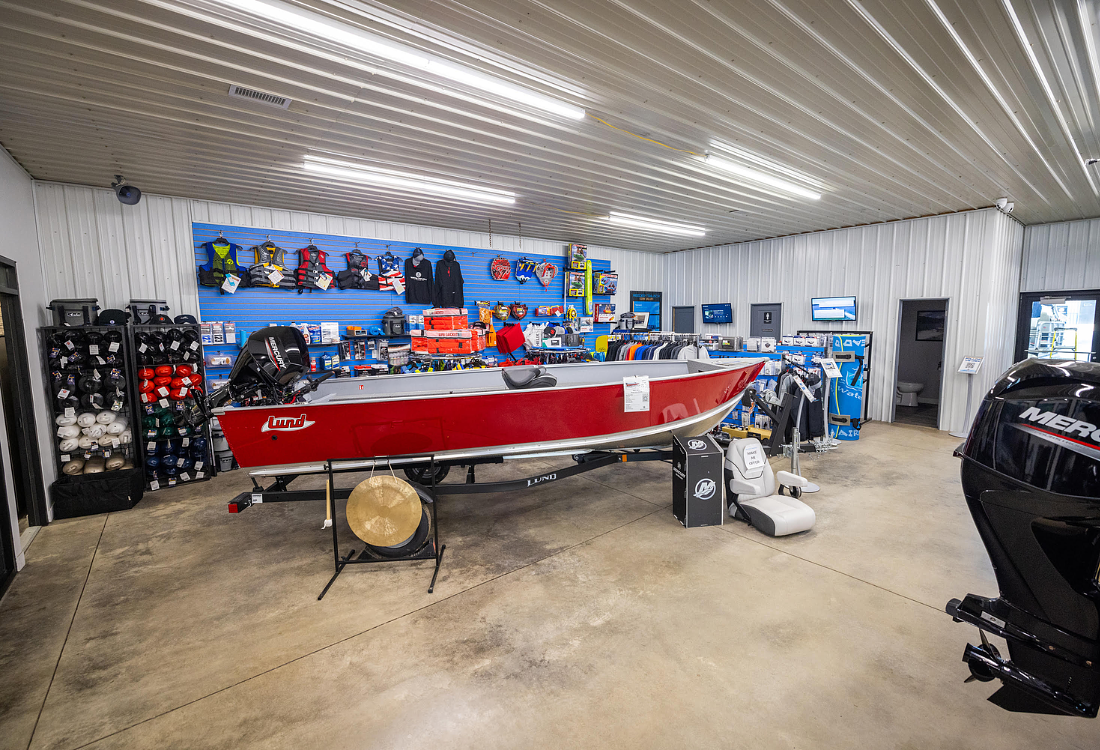
Need help making sure your boat has everything required? We carry Safety Equipment and accessories at both our Rockville and Indianapolis locations. Our parts department can set you up with life jackets, fire extinguishers, throwable devices, and all the extras that make your time on the water safer. Whether you're getting a new boat ready or updating an older one, we'll help you figure out what you need based on your vessel size and how you use it. Stop by and let us help you get properly equipped before your next trip to Raccoon, Monroe, Geist, or any of Indiana's great lakes.