
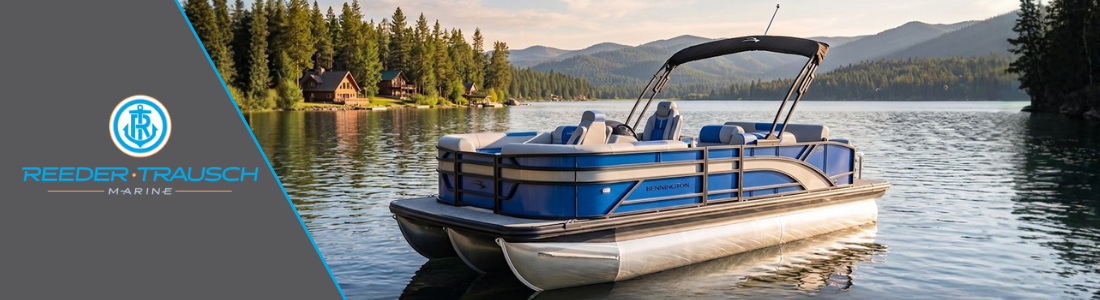
Buying your first new boat feels a little like buying a house on water. There's the sticker price, and then there's everything that comes after it. Most shoppers walk into a dealership locked onto one number, but the smart ones map out the whole picture before they sign. A boat that fits your wallet on day one should still fit it three summers later.
- New boats span a wide price band, from around $15,000 for a small pontoon to well past $100,000 for a loaded model.
- Size, horsepower, and add-on features move the price more than almost anything else.
- Taxes, insurance, storage, and yearly upkeep stack real money on top of the purchase price.
What Pushes a Boat's Price Up or Down
A few things move the needle on price more than the rest. Size leads the pack. A longer, wider deck needs more aluminum, bigger tubes, and a stronger motor, so every extra foot adds dollars. Horsepower comes next. A small 25 hp outboard costs a fraction of a 300 hp motor, and the hull built to handle that power costs more, too. After that, it's all about how the boat is dressed. Plush seating, a stereo, a hardtop, fishing electronics, and upgraded flooring can pile thousands onto a base build.
Aluminum Fishing Boats and Where They Land
Anglers usually look at aluminum boats, and the price story there is friendlier on the low end. A small 16-foot fishing rig with a modest motor can start near $15,000 to $20,000. Step up to an 18 or 20-foot deep-V with a side console, more horsepower, and built-in livewells, and you're looking at $40,000 to $70,000. Fully rigged tournament boats with big motors and loaded electronics can climb past $100,000. Lund sits across that whole band, so there's a fishing boat for a casual weekend and one for a serious chase.
Don't Forget the Motor
On a lot of boats, the engine gets quoted as part of the package, so it's easy to forget how much of the price it carries. Outboards are priced by horsepower, and bumping from a 90 hp to a 150 hp motor can add several thousand dollars on its own. A bigger engine burns more fuel, too, so that choice follows you to the gas dock all season. Match the power to how you actually boat. Cruising a calm lake asks for less muscle than pulling skiers all afternoon.
Costs That Show Up After the Sale
The number on the window sticker is just the start. Sales tax usually runs 6 to 10 percent of the purchase price. Registration is cheaper, often somewhere between $25 and $250 a year, based on length and your state. Insurance tends to cost around 1 to 2 percent of the boat's worth each year, so a $50,000 boat might cost $500 to $1,000 to insure. Storage swings the most. Trailer storage at home is close to free, while indoor heated storage can run a fair bit per foot. Plan on routine upkeep as well, like oil changes, winterizing, and the odd repair, which many owners budget at a small slice of the boat's price each year.
Setting a Boat Budget You Can Live With
Add it all up, and a fair plan looks like this. Take the boat price you're eyeing, then pad it with tax and the gear you'll need on day one. After that, pencil in a yearly figure for insurance, storage, fuel, and upkeep. Boaters who do this rarely get caught off guard, and they enjoy the water a lot more without a nagging worry about the bill. A boat you can easily afford is a boat you'll actually use.
Shop New Boats With Us
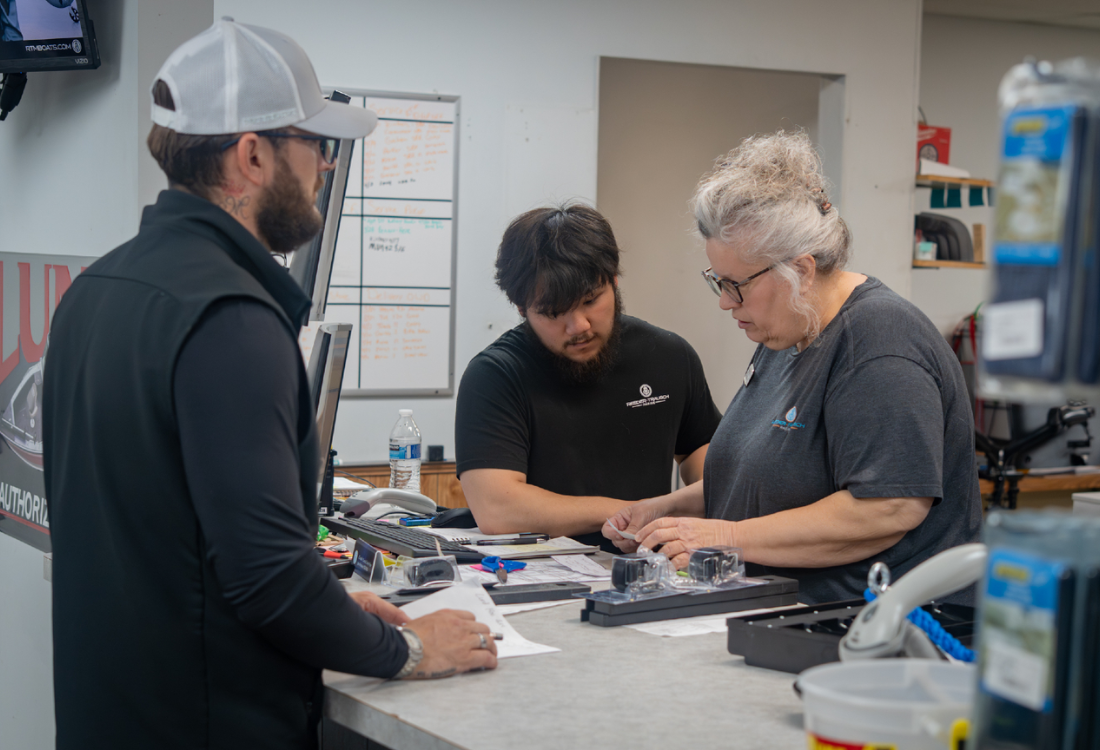
When you're ready to put a real number to your boat dreams, we'd love to walk you through it. At Reeder-Trausch Marine, we carry new Bennington and Lund boats powered by dependable Mercury motors, so you can compare tiers side by side and see exactly what your budget buys. Our team will talk you through pricing, financing, and the after-sale costs nobody likes getting surprised by. Every new boat purchase even comes with an on-the-water lesson, so you leave the dock knowing how to back down the ramp, dock, tie up, and load back onto the trailer. Stop in, ask questions, and let's find the boat that fits your family and your wallet.